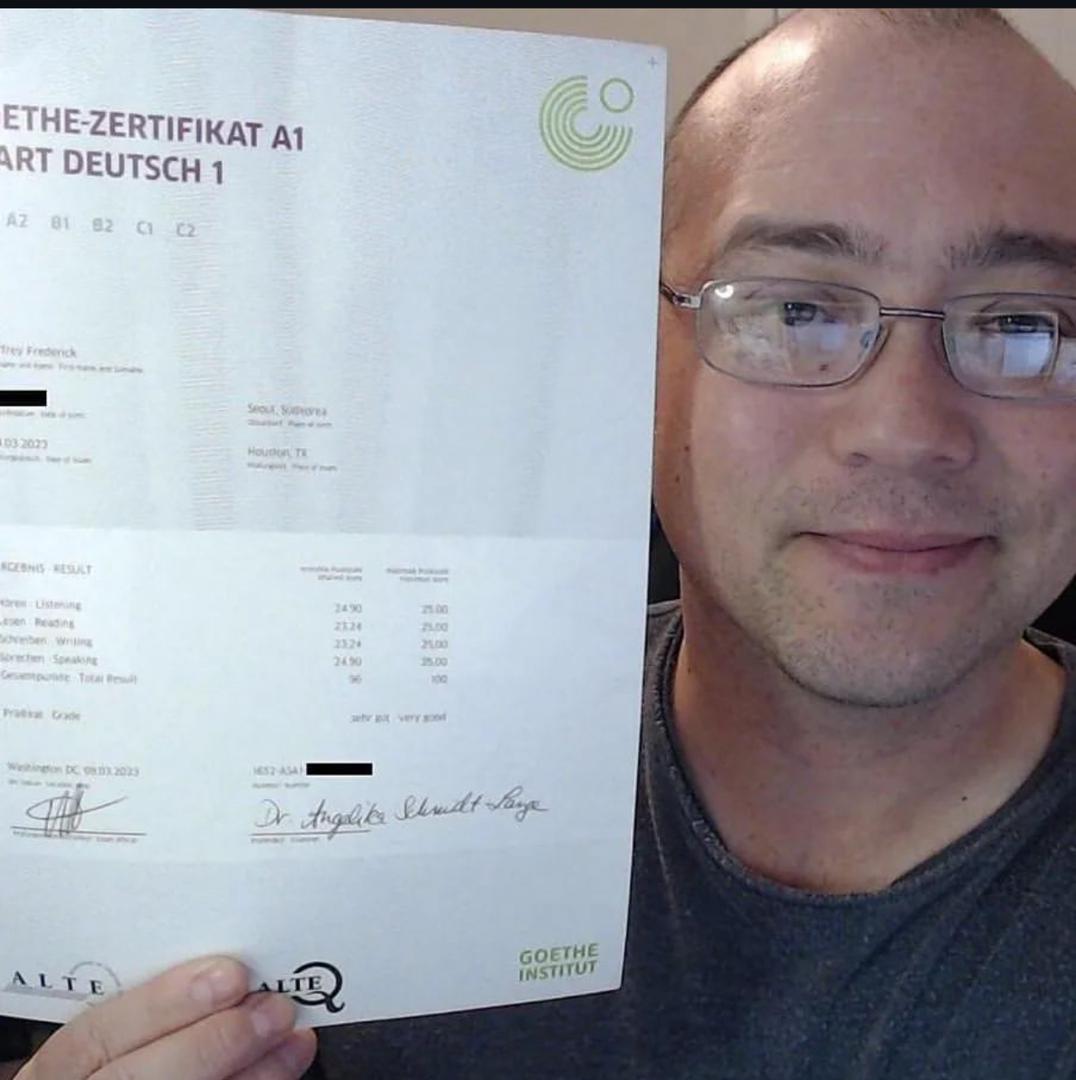
The B1 German Language Certificate: Your Gateway to Proficiency
The ability to communicate effectively in German can open numerous doors, both personally and expertly. The B1 German Language Certificate represents a crucial milestone for students, showing an intermediate level of proficiency. This post checks out the significance of the B1 certificate, the abilities it incorporates, how to prepare for the exam, and answers to regularly asked questions.
What is the B1 German Language Certificate?
The B1 German Language Certificate is part of the Common European Framework of Reference for Languages (CEFR), which categorizes language efficiency levels from A1 (newbie) to C2 (mastery). Accomplishing a B1 certificate signifies that an individual can understand and produce language in daily contexts.
Key Skills Assessed at B1 Level
When aiming for the B1 German Language Certificate, candidates are anticipated to master numerous crucial abilities classified under the following areas:
| Skill Area | Description |
|---|---|
| Listening | Comprehend the bottom lines of clear basic speech on familiar matters. |
| Checking out | Comprehend texts handling everyday or occupational topics. |
| Speaking | Produce simple linked text on subjects that recognize or of individual interest. |
| Composing | Write basic texts on subjects of personal interest and explain experiences and occasions. |
Importance of the B1 Certificate
Accomplishing a B1 German Language Certificate is not only a testament to one's language efficiency; it can be a considerable asset in different circumstances.
- Educational Opportunities: Many universities and employment organizations in German-speaking nations need a minimum of a B1 level for admission to specific programs.
- Employment: A B1 certificate can improve employability, especially in companies requiring interactions in the German language.
- Combination: For immigrants and expats, passing the B1 exam typically is essential for residency applications or to demonstrate combination into the German-speaking community.
Preparing for the B1 German Language Exam
Preparation for the B1 German exam can be approached in an organized way to ensure all skill locations are covered. Here's a list of strategies:
Study Strategies
- Enlist in a Language Course: Join a structured course at a language school or community center that concentrates on exam preparation.
- Self-Study Materials: Utilize textbooks targeted at the B1 level, practice exercises, and online resources.
- Language Exchange: Pair up with a German-speaking partner to practice conversational abilities.
- Mock Exams: Attempt practice tests to familiarize yourself with the exam format.
- Multimedia Resources: Engage with German language podcasts, videos, and music to boost listening abilities and pronunciation.
Suggested Study Plan
| Week | Focus Area | Activity |
|---|---|---|
| 1 | Vocabulary | Create flashcards for essential vocabulary. |
| 2 | Composing | Write daily journal entries in German. |
| 3 | Listening | See German films with subtitles. |
| 4 | Reading | Read basic German articles and brief stories. |
| 5 | Speaking | Take part in a discussion group. |
| 6 | Mock Tests | Total practice tests under timed conditions. |
The Exam Format
The B1 German exam usually includes four elements: Listening, Reading, Writing, and Speaking. Here is a breakdown of each part.
| Part | Period | Description | Scoring |
|---|---|---|---|
| Listening | 30 minutes | Understand discussions and discussions. | Out of 25 points |
| Checking out | 60 mins | Read and understand texts, response concerns. | Out of 25 points |
| Writing | 60 mins | Write a short text based on prompts. | Out of 25 points |
| Speaking | 15 mins | Conversation with an examiner and a partner. | Out of 25 points |
Scoring
The maximum rating for each element is 25 points, making a total of 100 points. A candidate typically needs to score a minimum of 60 points to pass the exam.
Often Asked Questions (FAQ)
What materials should I utilize to get ready for the B1 exam?
Recommended products include comprehensive B1 course books, online platforms that use interactive workouts, and exam preparation guides focusing on the CEFR standards.
For how long does it require to get ready for the B1 exam?
Preparation time varies by individual, however a lot of learners take 6 months to 1 year of devoted research study to reach the B1 proficiency level.
What is the cost of the exam?
The cost of the B1 exam can vary based upon place and screening institution however typically varies from EUR100 to EUR250.
Can I take the B1 exam online?
Lots of institutions use online options for the B1 exam, especially because of the current focus on digital education. It is necessary to verify with the exam provider.
What can I do after getting the B1 certificate?
Post-B1, learners may select to enhance their research studies by going for the B2 level, which offers greater fluency and complexity in the language. B1 Prüfung Online Mit Zertifikat might likewise be an opportunity to get entry into habitats where German language usage is important.
The B1 German Language Certificate acts as an important bridge in the journey towards language proficiency. By methodically getting ready for the exam and utilizing effective resources, students can with confidence progress from fundamental interaction to more advanced proficiency. With the right strategies and commitment, the B1 certificate can be a substantial contributor to academic, individual, and professional success in the German-speaking world.